Skin Longevity: Why Amino Acids Are the Quiet Intelligence Behind Resilient, Youthful Skin
Amino Acids and Skin Longevity: How Skin Repairs, Hydrates, and Stays Resilient Over Time
When we talk about skin longevity, most conversations focus on what stimulates the skin — exfoliation, antioxidants, or active ingredients.
But skin doesn’t stay youthful because it’s pushed harder.
It stays youthful because it still knows how to repair, hydrate, and protect itself.
That ability depends on something far quieter — and far more foundational:
Amino acids.
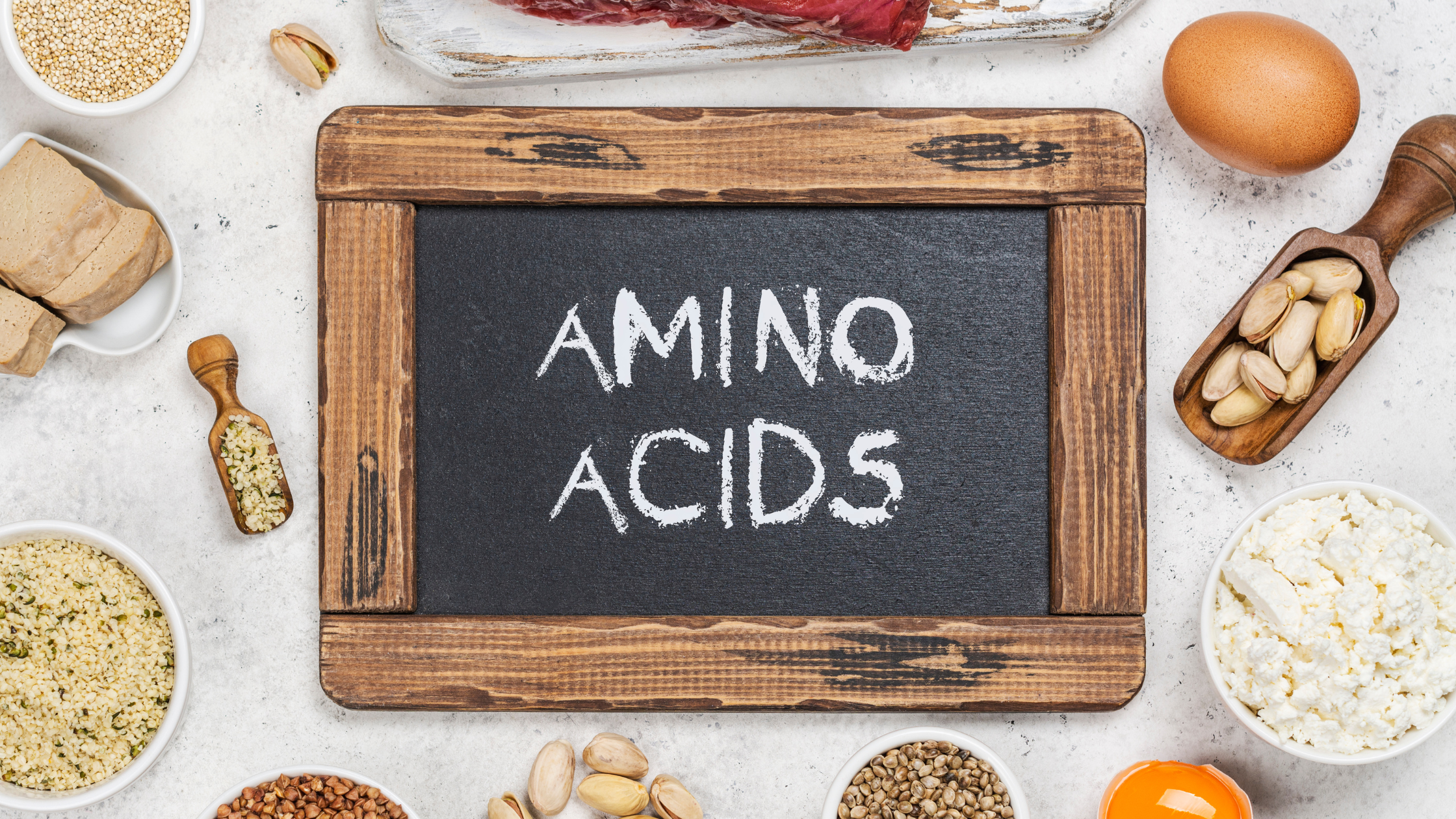
Amino acids are not a trend ingredient. They are the biological language of skin health. They support hydration, guide repair, and form the structural intelligence that allows skin to function well — especially as we age.
This is why understanding amino acids isn’t about adding another product.
It’s about understanding how skin longevity actually works.
Amino Acids: The Language Your Skin Uses to Function Well
Amino acids are the smallest building blocks of life. In the skin, they serve as:
- Structural components
- Water-binding agents
- Repair signals
- Communication messengers between cells
They help skin decide when to repair, how to hold moisture, and how to recover from daily stress.
When amino acid levels are healthy, skin behaves intelligently:
- It hydrates efficiently
- It recovers smoothly
- It maintains strength without irritation
When levels decline — which naturally happens with age — skin doesn’t just look drier.
It becomes less resilient.
Amino Acids and Hydration: Why Moisture Alone Isn’t Enough
One of the most common skincare frustrations is skin that feels dry even after moisturizing.
That’s because hydration is not just about applying water or creams.
Hydration depends on the skin’s ability to bind and retain water.
Amino acids are a core component of the skin’s Natural Moisturizing Factors (NMFs) — the substances naturally present in healthy skin that attract and hold water in the outer layers.
When amino acids are sufficient:
- Skin retains moisture longer
- Tightness and surface dryness decrease
- Texture appears smoother and more supple
When they’re depleted:
- Water evaporates quickly
- Moisturizers feel temporary
- Barrier stress increases
This is why true hydration is structural, not cosmetic.
Repair, Recovery, and Long-Term Resilience
Every day, skin works to recover from:
- UV exposure
- Environmental pollutants
- Cleansing and exfoliation
- Natural cell turnover
Amino acids support this recovery by contributing to:
- Collagen and elastin synthesis
- Keratin and filaggrin formation
- Enzymatic processes that keep skin functioning smoothly
This isn’t about overnight transformation.
It’s about skin that consistently rebounds instead of breaking down.
That’s what longevity looks like.
Why Amino Acids Work Best in a System — Not a Standalone Serum
Amino acids are often marketed in isolated serums. But biologically, they don’t work in isolation.
They require:
- A hydrated environment
- Antioxidant protection
- Lipid support
This is where the Metrin Skincare System is fundamentally different.
Within the system:
- Aloe vera provides a naturally amino-acid-rich, water-binding base
- Vitamins C and E protect the repair environment from oxidative stress
- Certified organic, cold-pressed, high oleic sunflower oil supports lipid balance and barrier integrity
Rather than forcing results, the system creates conditions where amino acids can do their job day after day.
This is why consistency matters more than intensity.
Ritual and Skin Intelligence Over Time
Used consistently, the Metrin system trains skin to function well again.
Over time, amino acids:
- Accumulate gradually
- Support ongoing repair
- Reinforce hydration from within
This is why long-time Metrin users often describe results not as dramatic — but as dependable:
“My skin feels calmer. Stronger. More balanced.”
That’s skin intelligence restored.
Amino Acids as the Bridge to Barrier Health
Amino acids do not work alone.
They prepare the skin for the next critical layer of longevity:
the lipid barrier formed by Essential Fatty Acids (EFAs).
Without amino acids:
- Barrier lipids cannot organize properly
- Water retention fails
- Sensitivity increases
In the next post in this series, we’ll explore how EFAs and the skin barrier work together with amino acids to create calm, resilient, well-hydrated skin over the long term.
Amino acids provide the building blocks. Now, let’s talk about the architects and protectors that help use them effectively.
Continue Your Skin Journey
Amino acids provide the building blocks. Now, let’s talk about the architects and protectors that help use them effectively.
- The Essential Foreman: Vitamin C directs these building blocks to form collagen. Learn its vital role here.
- On-Site Security: Protect your newly built proteins with the antioxidant power of Vitamin E and the C+E Synergy.
- Apply the Principles: See how all these elements come together to protect and maintain a healthy Skin Barrier.
FAQ: Amino Acids & Skin Longevity
What do amino acids do for the skin?
Amino acids help skin retain moisture, repair daily damage, and maintain resilience. They are key components of Natural Moisturizing Factors (NMFs) and structural proteins like collagen and filaggrin.
Are amino acids important for aging skin?
Yes. Natural amino acid levels decline with age, which can lead to dryness, slower repair, and reduced barrier strength. Supporting them helps skin function more smoothly over time.
Do I need an amino acid serum?
Not necessarily. Amino acids work best when delivered consistently within a complete skincare system that includes hydration, antioxidants, and lipid support.
How does the Metrin Skincare System support amino acids?
The Metrin Skincare System for Her — trusted by generations of women worldwide — supports amino acids through aloe-based hydration, antioxidant protection, and lipid balance, allowing skin to function optimally over time.
How do amino acids relate to the skin barrier?
Amino acids support the structure and hydration needed for a healthy barrier. Without them, Essential Fatty Acids cannot form an effective protective matrix.
Ready to restore your glow?
Start with the Metrin Skincare System for Her
Our complete 5-step system is designed for long-term results, not short-lived “glow-ups.”👉 Shop the Metrin Skincare System for Her

No products found
Take Our Skin Consultation Questionnaire
Discover your skin’s needs and get tailored guidance.💌 Take the FREE Skin Care Questionnaire and we’ll help you get started.
References
- Thiele, J. J., et al. (2001). Oxidative stress and antioxidants in the skin. Skin Pharmacology and Applied Skin Physiology, 14(1), 56–63.
- Rawlings, A. V., & Harding, C. R. (2004). Moisturization and skin barrier function. Dermatologic Therapy, 17(S1), 43–48.
- Verdier-Sévrain, S., & Bonté, F. (2007). Skin hydration: A review on its molecular mechanisms. Journal of Cosmetic Dermatology, 6(2), 75–82.
- Proksch, E., Brandner, J. M., & Jensen, J. M. (2008). The skin: An indispensable barrier. Experimental Dermatology, 17(12), 1063–1072.
- Elias, P. M. (2005). Stratum corneum defensive functions: An integrated view. Journal of Investigative Dermatology, 125(2), 183–200.
- Cork, M. J., et al. (2009). Epidermal barrier dysfunction in atopic dermatitis. Journal of Investigative Dermatology, 129(8), 1892–1908.
- Madison, K. C. (2003). Barrier function of the skin. Journal of Investigative Dermatology, 121(2), 231–241.
- Lin, T. K., Zhong, L., & Santiago, J. L. (2018). Anti-inflammatory and skin barrier repair effects of plant oils. International Journal of Molecular Sciences, 19(1), 70.
#SkinLongevity #SkinBarrierHealth #WrinklePrevention #HealthyAgingSkin #EssentialFattyAcids #MetrinSkincare