Skin Barrier Repair: How Healthy Skin Actually Heals Itself
When “Repair” Became a Skincare Wake-Up Call
Skin barrier repair didn’t become a buzzword because it was catchy or aesthetic.
It became a necessity.
Many women arrived here after years of doing too much — stacking actives, chasing trends, and following aggressive routines that promised fast results. At first, the glow seemed real. Then came the dryness, redness, stinging, breakouts, and that unmistakable feeling that skin was suddenly… fragile.
What changed wasn’t just skin.
It was questions.
Instead of asking “What’s the strongest product?”, women began asking:
- Why is my skin reacting like this?
- When does exfoliation help — and when does it harm?
- Can skin actually repair itself?
Those are better questions. And they deserve better answers.
What Is the Skin Barrier — Really?
Your skin barrier is not a single layer. It’s a living system.
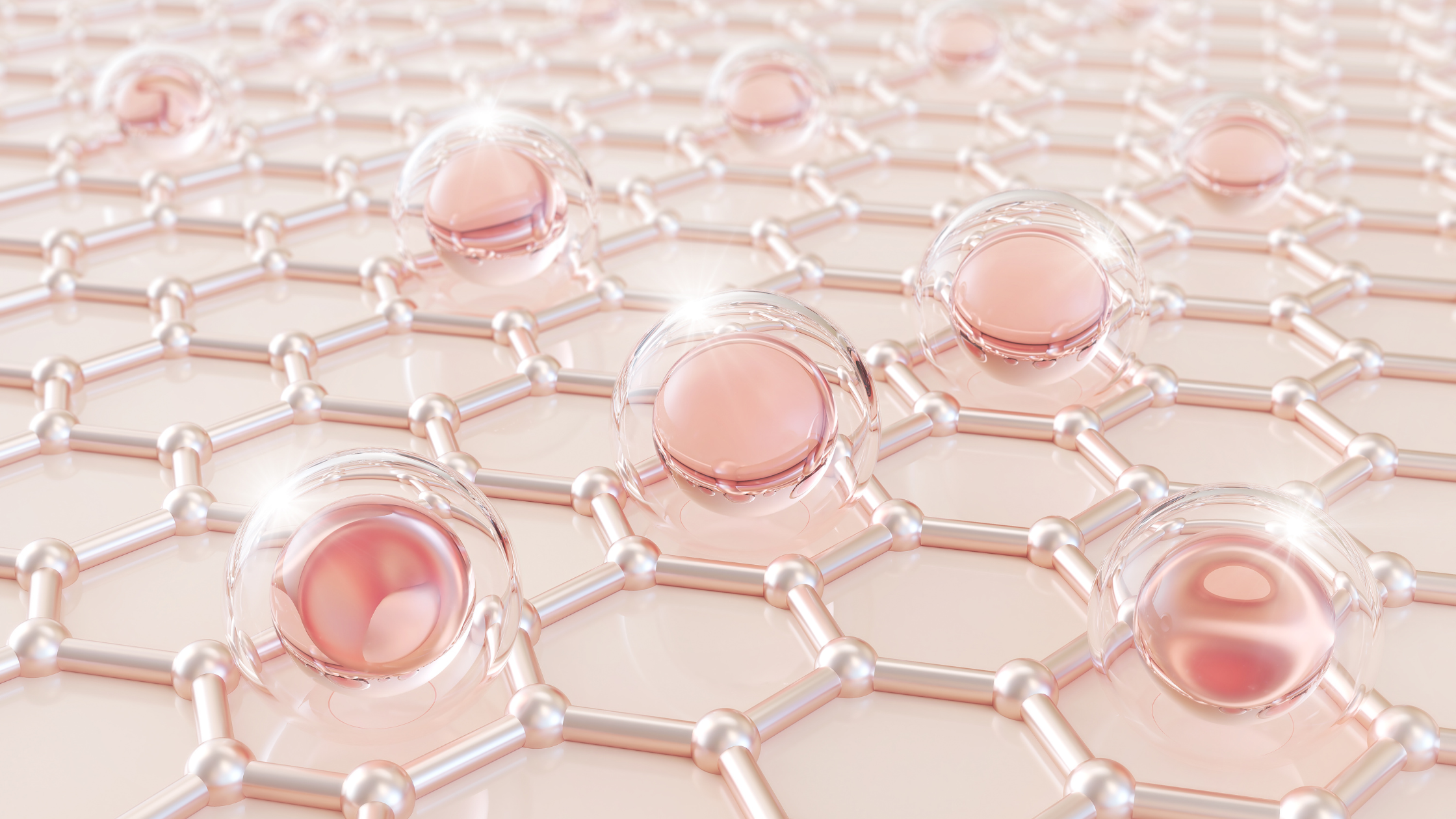
At its surface lies the stratum corneum, often described as a brick-and-mortar structure:
- Skin cells (corneocytes) are the bricks
- Lipids (ceramides, cholesterol, fatty acids) are the mortar
Together, they:
- Keep moisture in
- Keep irritants out
- Protect against inflammation and environmental stress
When this structure is intact, skin feels calm, resilient, and balanced.
When it’s disrupted, everything feels harder — hydration, clarity, even makeup.
The Truth About “Skin Barrier Repair”
Here’s the most important clarification:
Your skincare products do not repair your skin barrier.
Your skin repairs itself.
Products can support or disrupt that process — but the healing work belongs to your skin.
Barrier “damage” most often happens when:
- Cleansing strips too aggressively
- Exfoliation outpaces recovery
- Actives are layered without recovery days
- Too many new products are introduced at once
In other words, barrier issues are rarely about one bad product.
They’re about routine imbalance.
How Healthy Skin Actually Heals Itself
Skin repair follows a rhythm. When that rhythm is respected, healing happens naturally.
1. Reduced disruption
Skin needs consistency. Every harsh cleanse or unnecessary product reset delays recovery.
2. Adequate hydration
Water is essential — not just on the surface, but retained within the skin.
3. Lipid replenishment
Essential fatty acids help reinforce the barrier structure, improving resilience over time.
4. Time
Barrier recovery is not overnight. Depending on severity, it may take weeks — sometimes months — of calm, steady care.
This is why louder marketing and “miracle fixes” often fail.
They ignore biology.
Why More Actives Aren’t the Answer
Modern skincare often treats sensitivity as something to overpower.
But when skin is already compromised:
- Stronger acids don’t speed healing
- More retinoids don’t restore balance
- New serums don’t rebuild trust
In fact, they often do the opposite.
True barrier repair begins when skin is allowed to renew without interruption.
Where the Metrin Skincare System Fits In
This philosophy has guided Metrin Skincare since 1932 — long before “skin barrier repair” had a name.
The Metrin Skincare System was designed around one core belief:
Healthy skin and beautiful skin are exactly the same thing.
Rather than forcing results, the system focuses on:
- Thorough yet gentle cleansing
- Controlled exfoliation that respects recovery cycles
- Layered hydration and conditioning
- Lipid support using certified organic, cold-pressed, high oleic sunflower oil
Each step plays a role in removing obstacles to the skin’s natural repair process — not overriding it.
This is why many long-time Metrin users describe their experience not as “fixing” skin, but finding balance again.
A Note from the Metrin Community
“I tried switching to stronger creams when my skin became dry and reactive. Everything made it worse. When I went back to Metrin and stayed consistent, my skin finally calmed down. It didn’t happen overnight — but it happened.”
— Darlene M., long-time Metrin customer
These stories are common because the approach is consistent — not reactive.
Signs Your Skin Barrier Is Asking for Support
You may benefit from simplifying and supporting repair if you notice:
- Tightness even after moisturizing
- Stinging when applying products
- Sudden breakouts in unfamiliar areas
- Redness that lingers
- Makeup sitting poorly on the skin
These are not failures. They’re signals.
Supporting Barrier Repair the Metrin Way
If your goal is to help skin heal itself:
- Simplify your routine — fewer variables, more consistency
- Avoid daily aggressive exfoliation
- Focus on hydration and conditioning
- Commit to time and patience
The Metrin Skincare System was built for this exact moment — when skin doesn’t need more stimulation, but more respect.
Ready for Personalized Guidance?
Start with the Metrin Skincare System for Her
Our complete 5-step system is designed for long-term results, not short-lived “glow-ups.”👉 Shop the Metrin Skincare System for Her

No products found
Take Our Skin Consultation Questionnaire
Discover your skin’s needs and get tailored guidance.💌 Take the FREE Skin Care Questionnaire and we’ll help you get started.
FAQ: Skin Barrier Repair
Can a damaged skin barrier really heal itself?
Yes. The skin is designed to repair itself when irritation is reduced and proper hydration and lipid support are maintained consistently.
How long does skin barrier repair take?
Mild disruption may improve in a few weeks. More compromised barriers can take several months of consistent, gentle care.
Should I stop exfoliating completely?
Not necessarily. Exfoliation supports renewal — but only when balanced with adequate recovery time and hydration.
Is skin barrier repair anti-aging?
Indirectly, yes. A healthy barrier reduces inflammation and moisture loss, both of which accelerate visible aging.
How does the Metrin Skincare System support barrier health?
The Metrin Skincare System — made in Canada and trusted by generations — supports skin renewal by cleansing thoroughly without stripping, exfoliating methodically, and conditioning with hydration and essential lipids.
References
- Elias, P. M. “Skin Barrier Function.” Current Allergy and Asthma Reports, 2008.
- Proksch, E., et al. “The Skin: An Indispensable Barrier.” Experimental Dermatology, 2008.
- Draelos, Z. D. “The Role of Skin Care in Maintaining Barrier Function.” Dermatologic Therapy, 2012.
- Rawlings, A. V., & Harding, C. R. “Moisturization and Skin Barrier Function.” Dermatologic Therapy, 2004.
#SkinBarrierRepair #SkinBarrierHealth #SkinLongevity #AntiAgingSkincare #HealthySkin #MetrinSkincare #BarrierSupport #GentleSkincare