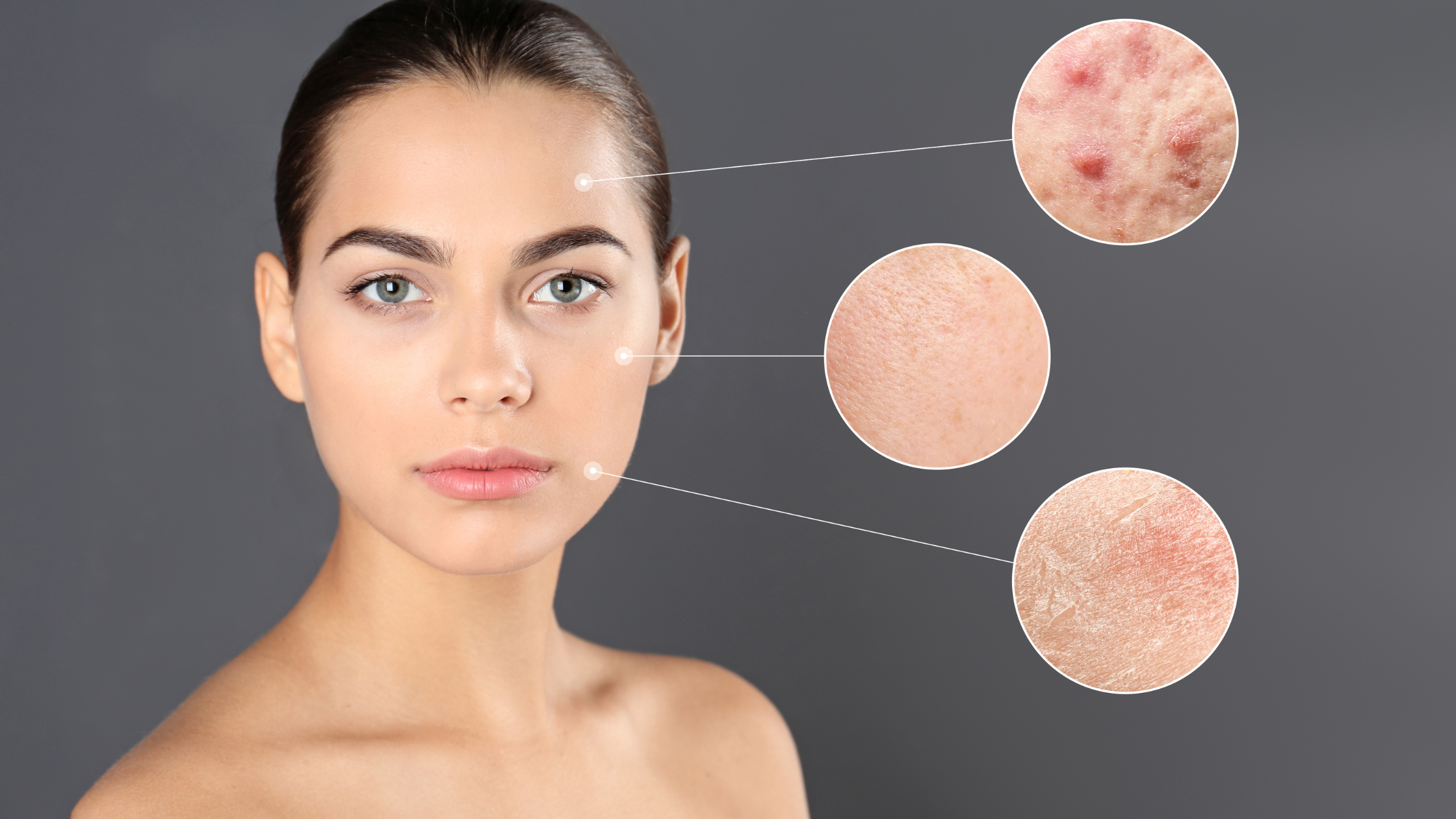
The Skin Microbiome: Why Healthy Skin Isn’t Sterile — It’s Balanced
Healthy skin isn’t dead clean.
It’s balanced.
“Sterile” might sound healthy — but sterile actually means lifeless.
Like a hospital instrument. A laboratory surface.
Skin isn’t meant to be sterile.
It’s meant to be alive.
Alive with cells, lipids, enzymes… and billions of microorganisms that quietly protect you every day.
This living ecosystem is called your skin microbiome.
It works alongside your skin’s protective acid mantle — the slightly acidic film that helps beneficial microbes thrive.
Together, they form your skin’s first line of defense.
And understanding it changes how you think about skincare completely.
Because the goal isn’t to strip, kill, or disinfect your skin.
It’s to support balance.
What Is the Skin Microbiome?
Your skin is home to communities of bacteria, yeast, and fungi that live alongside you in a cooperative system.
When balanced, these microbes help:
• regulate immune responses
• support barrier repair
• maintain healthy pH
• metabolize lipids
• defend against pathogens
• reduce inflammation
In other words:
They’re not invaders.
They’re part of your defense system.
Healthy skin is a partnership between your cells and your microbes.
Why “Killing Everything” Backfires
Modern skincare often treats the skin like a problem to eliminate.
Stronger acids.
Frequent peels.
Antibacterial products.
Daily “deep cleansing.”
Layering multiple actives at once.
These approaches can sometimes help short-term.
But used constantly?
They flatten microbial diversity and weaken the barrier.
When diversity drops:
• skin becomes dry
• irritation increases
• breakouts rebound
• redness lingers
• healing slows
• sensitivity rises
Ironically, the harder we push the skin, the less resilient it becomes.
Because skin health isn’t built through force.
It’s built through stability.
Microbiome Disruption Isn’t About “Bad Ingredients”
Very few ingredients are inherently bad.
The real issue is:
intensity
duration
combination
and recovery time
Even helpful tools can cause problems if overused.
For example:
• acids used too frequently thin the barrier
• strong retinoids may outpace repair
• antimicrobials suppress beneficial flora
• harsh cleansing strips protective lipids
The problem isn’t treatment.
The problem is chronic disruption without recovery.
Exfoliation Isn’t the Problem — Over-Exfoliation Is
This is where many people get confused.
If too much exfoliation disrupts the microbiome… does that mean exfoliation is harmful?
Actually, the opposite is true.
Your skin is constantly renewing itself. Old cells naturally shed every day.
If those cells aren’t removed:
• pores clog
• oils oxidize
• bacteria overgrow
• texture becomes rough
• products absorb poorly
So gentle exfoliation actually supports microbiome balance.
It keeps the environment clean and functioning.
The difference is intensity.
There’s a big difference between:
• daily strong peels
• stacking acids
• aggressive scrubs
and
• mild, consistent exfoliation that works with the skin’s natural renewal cycle.
Gentle daily exfoliation supports balance.
Occasional deeper treatments — followed by recovery — can accelerate renewal safely.
But constant stripping prevents rebuilding.
Healthy skin thrives on rhythm, not force.
Skin Is an Ecosystem, Not a Battlefield
Think of your skin like a garden.
You don’t make plants grow by digging up the soil every day.
You nourish it.
Protect it.
Maintain balance.
Growth happens naturally.
Skin works the same way.
When the barrier is intact and the microbiome is stable:
• moisture retention improves
• inflammation decreases
• tolerance increases
• repair accelerates
• aging appears slower
Consistency quietly outperforms intensity.
Why This Matters More After 40
As we age:
• barrier recovery slows
• lipid production declines
• microbial diversity decreases
• inflammation rises more easily
Which means aggressive routines become even more counterproductive.
Mature skin doesn’t need stronger treatments.
It needs smarter support.
Calm skin repairs better.
And repair is the foundation of skin longevity.
What Our Clients Notice
“Once I stopped using strong peels every day and focused on a gentle routine, my redness disappeared. My skin finally feels calm.” — Margaret, 55
“I used to think squeaky clean meant healthy. Now I understand my skin shouldn’t feel stripped. It looks brighter and more even.” — Daniel, 49
“My esthetician said my barrier looked stronger than it had in years. That’s when I knew consistency was working.” — Priya, 52
The Takeaway
Healthy skin isn’t sterile.
It isn’t stripped.
It isn’t dead clean.
It’s alive.
Regulated.
Balanced.
When you respect the microbiome, everything else works better — hydration, repair, and even collagen renewal.
Because thriving skin isn’t forced.
It’s cultivated.
Ready for Personalised Guidance?
Start with the Metrin Skincare System for Her
Our complete 5-step system is designed for long-term results, not short-lived “glow-ups.”👉 Shop the Metrin Skincare System for Her


Metrin® Skincare System for Her
Take Our Skin Consultation Questionnaire
Discover your skin’s needs and get tailored guidance.💌 Take the FREE Skin Care Questionnaire and we’ll help you get started.
FAQ
Does washing your face too much damage your skin microbiome?
Yes. Over-cleansing or harsh cleansers can strip protective lipids and disrupt beneficial microbes, leading to dryness, irritation, and sensitivity.
Is it bad to exfoliate every day?
Not necessarily. Gentle, controlled daily exfoliation that supports natural cell turnover can be beneficial. The problem is aggressive or stacked exfoliation — strong acids, frequent peels, or scrubs that thin the barrier faster than it can recover.
So should I stop exfoliating?
No. Skin still needs help removing dead cells. The goal is mild, consistent exfoliation that works with your skin’s renewal cycle, not deep stripping that disrupts the microbiome.
Do probiotic skincare products fix the microbiome?
Most don’t. Supporting your barrier with gentle cleansing, balanced pH, and lipid replenishment is far more effective than adding trendy probiotic ingredients.
How does the microbiome affect aging skin?
A balanced microbiome reduces inflammation, supports repair, and strengthens the barrier — all essential for maintaining firmness, hydration, and healthy-looking skin over time.
References
- Fluhr, J.W. et al. “Impact of Cleansing on Skin pH.” British Journal of Dermatology, 2001.
- Draelos, Z.D. Cosmetic Dermatology: Products and Procedures. Wiley-Blackwell.
- Elias, P.M. “Skin Barrier Function.” Current Allergy and Asthma Reports, 2008.
- Rawlings, A.V. “Cell Turnover and Desquamation.” International Journal of Cosmetic Science, 2004.
- Proksch, E., Brandner, J.M., Jensen, J.M. “The Skin: An Indispensable Barrier.” Experimental Dermatology, 2008.
#SkinBarrierRepair #SkinBarrierHealth #SkinLongevity #AntiAgingSkincare #HealthySkin #MetrinSkincare #BarrierSupport #GentleSkincare